
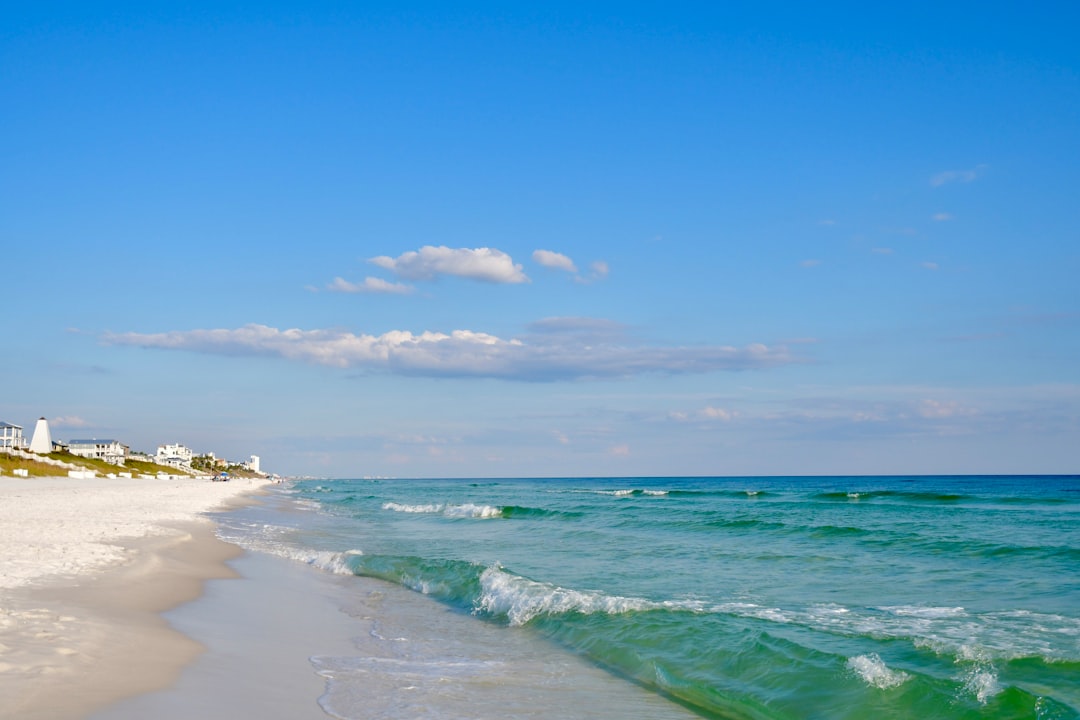
For most families with young kids, a U.S. beach town beats a cruise on the three things that actually decide a vacation: total cost, schedule control, and how much of the trip runs on your kids’ rhythm instead of a ship’s. A cruise sells you “unpack once and let us handle it”. But a beach house in Destin or a resort in Gulf Shores does the same thing, without muster drills, sea days, or a $900 bar tab discovered at checkout. Here’s the honest comparison, including the cases where the cruise genuinely wins.
The Short Answer, Side by Side
| What matters | U.S. beach week | Cruise |
|---|---|---|
| Real total cost (family of 4) | Transparent — lodging + groceries + a few activities. Kitchens slash food costs. | Low sticker, high exit bill: gratuities, drinks, Wi-Fi, shore excursions, port parking |
| Nap & bedtime control | Total — your condo, your schedule | Shared cabin, show times, dinner seatings |
| Beach time | Unlimited, 60 seconds from your door | A few port hours, tender lines with a stroller |
| Getting there | Drive for most U.S. families — leave when the toddler wakes | Get to the port city a day early (hotel night) or risk missing the ship |
| If a kid gets sick | Urgent care 10 minutes away; drive home if you must | Ship infirmary, quarantine rules, no exit |
| Weather flexibility | Shift days around; rainy-day plans everywhere | Itinerary changes are the captain’s call |
Wondering how these numbers stack up against other towns? Our Sloth Value Index compares real hotel rates for the same family beach week across all 26 towns we cover.
What Does Each One Really Cost?
Cruise pricing is the travel industry’s best magic trick: the fare you see covers the cabin and the buffet, and almost nothing else your family will actually do. Budget the sticker price, then watch gratuities (about $16–20 per person per day — including the kids), soda and specialty coffee, Wi-Fi, photos, and shore excursions stack another 40–80% on top. A family of four on a 7-night “budget” cruise routinely lands at $4,000–6,000 all-in once you count getting to the port.
A land-based beach week prices honestly. Our real-numbers breakdowns — Destin, Orlando, Hilton Head — put a comparable week for four at roughly $2,500–4,500, and the single biggest saving is boring: a rental with a kitchen means breakfast and lunch stop being restaurant line items. Nobody on a cruise has ever saved money by having a kitchen, because there isn’t one.
The Kid Logistics Nobody Warns You About
Cruise marketing shows kids in kids’ clubs and parents with drinks. Here’s the fine print, from parents who’ve done both:
The pools are tiny and often off-limits. Most ship pools are the size of a hotel hot tub, packed, and — the part nobody mentions — kids in swim diapers are banned from nearly every cruise-line pool for sanitation reasons. If your child isn’t potty-trained, the ship’s headline attraction is closed to them. Meanwhile the actual ocean at a Gulf beach is free, enormous, and has no wristband policy.
Sea days with a toddler are long. A day at sea sounds relaxing until you’ve walked the same deck loop eleven times before 9 a.m. Kids’ clubs typically won’t take children under 3, and under-3s can’t be dropped off diaper-less anywhere.
The cabin is your whole house. When the baby naps, the family hides in a windowless 180-square-foot box in silence. In a beach rental, nap time means the balcony, the kitchen, the pool — anywhere but the bedroom.
Where a Cruise Actually Wins
Fair is fair — the cruise is the right call in a few real situations. If your kids are older (roughly 8+), the kids’ clubs and teen zones are genuinely great, and the “kids entertained, parents at dinner” promise starts coming true. If you want to sample multiple countries without changing hotels, nothing on land competes. Multi-generational trips where grandma doesn’t cook and nobody argues about restaurants are a legitimate cruise superpower. And solo-cabin-per-family-branch reunions work beautifully at sea. If that’s your situation, take the cruise with our blessing — this is a lazy-travel site, not an anti-boat site.
But for the family with a 2-year-old and a 5-year-old that this site is built for? The math, the naps, and the swim-diaper rule all point at the sand.
The Freedom Argument
The deepest difference isn’t money — it’s whose schedule the week runs on. A cruise is a machine with 3,000 passengers, and the machine’s timetable always wins: dinner seatings, port windows, “all aboard” times with real consequences. A beach town runs on your family’s clock. Slow morning because someone was up at 5? The beach doesn’t leave without you. Kid melts down at dinner? You’re in your own kitchen, not at a shared table with assigned strangers. That’s the whole LayzTravel philosophy in one comparison: the best family vacation is the one with the fewest deadlines.
If You Go Land-Based, Start Here
The Gulf Coast is the closest thing America has to cruise-brochure water: Destin and Clearwater Beach for that white-sand-turquoise-water look, Gulf Shores for value, Galveston if you’re in Texas — which, not coincidentally, is also a cruise port, so you can literally price both from the same parking lot. On the Atlantic side, Hilton Head and Cape May deliver the calm-water family week. Want the resort-does-everything feel without the ship? A full-service Gulf beach resort with a kids’ club and a lazy river is the honest land equivalent of a cruise ship — pools, buffets, scheduled kids’ activities — except the “port” is open all day and the exit doors work.
And if what you’d miss most about the cruise is the water itself, book a two-hour dolphin cruise from any Gulf harbor town: same ocean, same dolphins, and everyone sleeps in a real bed that night.
FAQs About Beach Vacations vs. Cruises
Is a cruise more affordable than a beach vacation?
Usually not once you count everything. Cruise base fares look low, but gratuities, drinks, Wi-Fi, excursions, and pre-cruise hotel nights typically add 40–80%. A comparable U.S. beach week with a kitchen almost always comes in lower for a family of four.
Is a cruise or beach vacation better with a toddler?
Beach vacation, decisively. Most ship pools ban swim diapers, kids’ clubs won’t take under-3s, and nap time happens in a shared windowless cabin. A beach rental gives you a kitchen, a bedroom door, and an ocean with no rules.
At what age do kids enjoy cruises more?
Around 8 and up, when kids’ clubs, waterslides, and teen zones genuinely land. Between roughly 8 and 15 is the cruise sweet spot; under 5 is the beach-town sweet spot.
What’s the closest land-based experience to a cruise?
A full-service beach resort with a kids’ club, pools, and on-site dining — the “ship” experience with 24/7 beach access and no all-aboard time. See our family resort guides for Destin, Clearwater Beach, and Hilton Head.
Plan Your Beach Week — Real Budgets & Guides:
- How Much Does a Family Trip to Destin Cost? (A Real Budget Breakdown)
- How Much Does a Family Trip to Hilton Head Island Cost?
- How Much Does a Family Trip to Orlando Cost?
- Destin Family Resorts vs. VRBO Rentals: Which is Best?
- The Ultimate Family Guide to Destin Beaches
- The Ultimate Family Guide to Cape May Beaches
- All-Inclusive Resort vs. U.S. Beach Vacation: The Honest Family Math
- 10 Walkable Beach Towns Where You Can Skip the Rental Car